

Banister Nissan of Chesapeake: A Complete Brake Service Guide for Hampton Roads Drivers
Your brakes are the single most important safety system on your vehicle. Yet for many drivers in Chesapeake and the Hampton Roads area, brake maintenance tends to get pushed to the back burner—right up until something goes wrong. The good news is that your Nissan will almost always give you warning signs before your brakes become a serious problem. You just need to know what to listen to and what to look for.
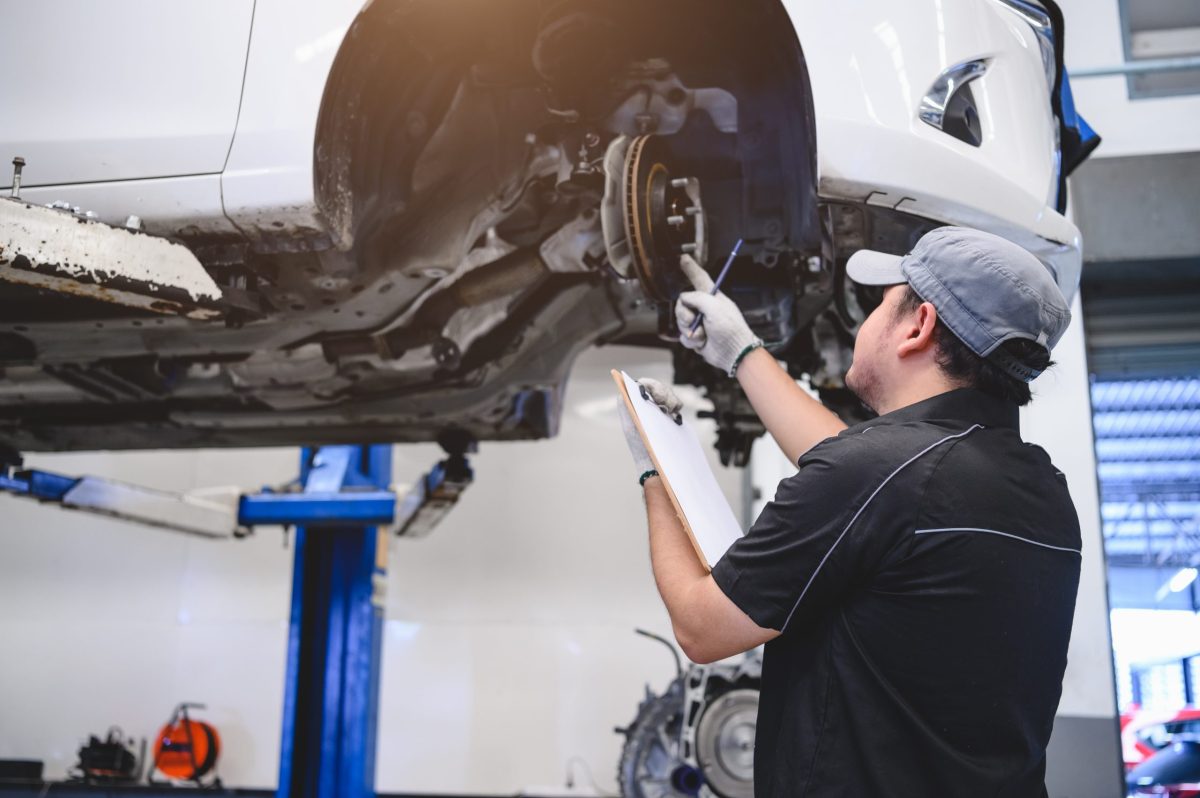
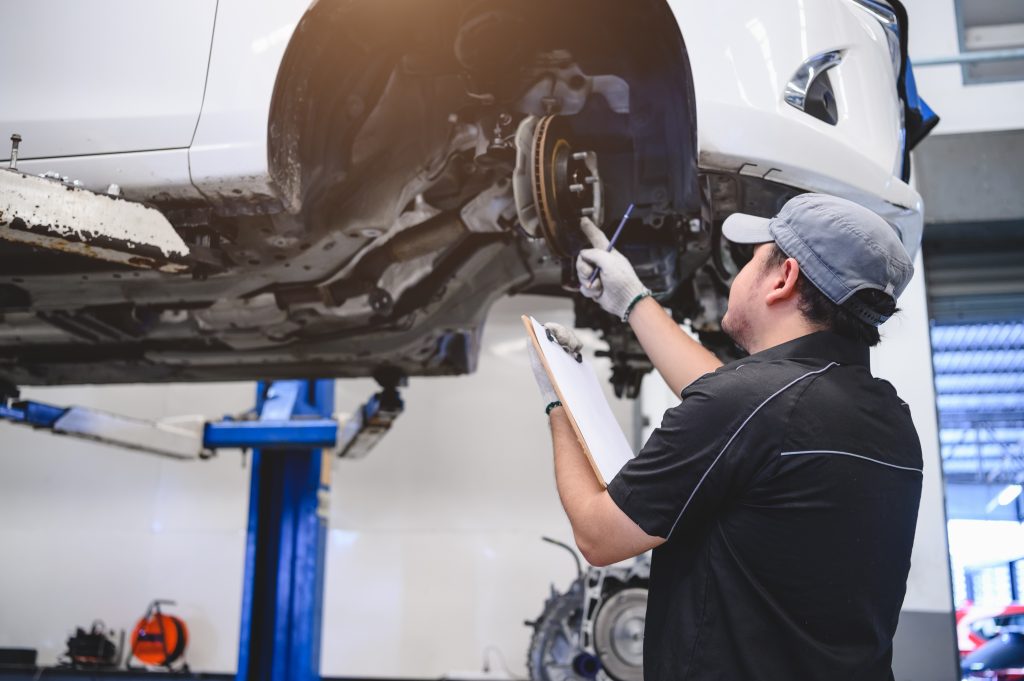
At Banister Nissan of Chesapeake, our certified service technicians inspect brakes every day, and we want every driver we serve to feel confident behind the wheel.
Here’s a quick look at the five signs we’ll cover in this guide:
- Squealing or squeaking when you brake
- Grinding noise when you stop
- Vehicle pulling to one side
- Vibration or pulsing in the brake pedal
- Soft or spongy brake pedal feel
Read on for a full breakdown of what each sign means, why it happens, and what to do about it.
Why Brake Inspections Matter More Than Most People Think
Brakes don’t fail overnight. They wear down gradually over thousands of miles, and the warning signs often start subtly before becoming impossible to ignore. Catching brake wear early protects both your safety and your wallet. A simple brake pad replacement is significantly less expensive than replacing rotors, calipers, or dealing with the kind of damage that comes from driving on worn-out brakes for too long.
Nissan recommends having your brakes inspected at least once a year or every 12,000 miles, though driving habits and conditions can significantly change that timeline. If you’re frequently driving in stop-and-go traffic along the I-64 corridor or towing with your Frontier or Armada, your brakes are working harder than average and may need attention sooner.
Sign #1: You Hear Squealing or Squeaking When You Brake
This is the most common and most recognized brake warning sign. Most modern brake pads, including those on Nissan vehicles, are built with a small metal wear indicator that deliberately produces a high-pitched squeal when the pads have worn down to a certain level.
If you hear squealing that occurs primarily when you apply the brakes and goes away when you release the pedal, that’s almost always your wear indicator doing exactly what it was designed to do. Don’t ignore it. Schedule a brake inspection soon.
Sign #2: You Hear Grinding When You Stop
Grinding is the next step beyond squealing, and it’s more urgent. A grinding noise when braking typically means the brake pads have worn down to the point where the metal backing plate is now making direct contact with the rotor. At this point, every stop is damaging your rotor, which can turn a straightforward pad replacement into a much more expensive rotor replacement job.
If you hear grinding, your brakes need immediate attention, and continuing to drive on them increases both safety risks and repair costs.
Sign #3: Your Vehicle Pulls to One Side When Braking
If your Nissan drifts or pulls noticeably to the left or right when you apply the brakes, that’s a sign that your brakes aren’t applying pressure evenly. Common causes include:
- A stuck or seized brake caliper on one side
- Uneven brake pad wear between the left and right wheels
- A compromised or collapsed brake hose restricting fluid flow
Pulling during braking can make your vehicle harder to control in an emergency stopping situation, so it’s worth having it inspected promptly. It’s also worth noting that pulling can sometimes be caused by tire or alignment issues rather than brakes, which is another reason a professional inspection is valuable. A trained technician can identify the actual source of the problem quickly rather than guessing.
Sign #4: You Feel Vibration or Pulsing in the Brake Pedal
A brake pedal that pulses, vibrates, or feels inconsistent under your foot is often a sign of warped rotors. Rotors can warp from excessive heat, which can occur after prolonged hard braking, such as during highway driving or towing, or simply from normal wear over time.
When a rotor isn’t perfectly flat, the brake pads can’t make consistent contact across its surface, which creates that pulsing sensation you feel through the pedal. In some cases, the vibration can also travel up into the steering wheel. Warped rotors won’t fix themselves, and the issue tends to worsen over time if left unaddressed.
Sign #5: Your Brake Pedal Feels Soft, Spongy, or Sinks to the Floor
A healthy brake pedal should feel firm and consistent. If your pedal feels soft or spongy, or if it sinks further toward the floor than usual before your brakes engage, that’s a red flag that something is wrong with your braking system. Possible causes include:
- Air trapped in the brake lines
- Low brake fluid or an active brake fluid leak
- A failing master cylinder
Any of these issues can compromise your ability to stop quickly in an emergency. If you notice this symptom, we recommend scheduling a brake inspection as soon as possible.
Bonus: Your Brake Warning Light Comes On
Many Nissan models are equipped with a brake system warning light on the dashboard. If this light illuminates, whether it reads “BRAKE” or shows an exclamation point inside a circle, it could indicate low brake fluid, an ABS fault, or that your parking brake is engaged. If the light comes on and your parking brake is not engaged, have the vehicle inspected. Don’t assume it will resolve itself.
Schedule Your Brake Inspection at Banister Nissan of Chesapeake
If any of these warning signs sound familiar, don’t wait. Our Nissan-certified service team at Banister Nissan of Chesapeake is ready to take a look and give you an honest assessment of your brake health. We serve drivers throughout Chesapeake, Virginia Beach, Suffolk, Portsmouth, Newport News, and Hampton, and we make it easy to get in with our convenient online scheduling and Express Service lane.
Schedule Your Brake Inspection Online →
Frequently Asked Questions
How long do brake pads typically last on a Nissan?
Brake pad life varies widely depending on driving habits and conditions, but most Nissan drivers can expect pads to last between 30,000 and 70,000 miles. City drivers and those who frequently tow will typically land on the lower end of that range.
How much does a brake inspection cost at Banister Nissan of Chesapeake?
Brake inspections are often complimentary or low-cost when combined with other services. Check our Service & Parts Specials page for current offers, or call our service team at 757-644-5934 for details.
Can I drive my Nissan with worn brake pads?
We strongly advise against it. Driving on worn brakes increases stopping distance, risks rotor damage, and compromises your safety and that of others on the road.
Does Banister Nissan of Chesapeake use genuine Nissan brake parts?
Yes. Our certified technicians use genuine Nissan parts to ensure proper fit, performance, and compatibility with your vehicle’s braking system.


